There comes a point in life when you stop looking for “inspiring,” “deep” or “life-changing” books. You just want something funny enough, dumb enough and sharp enough to make you forget the state of the world, your inbox, and the fact that your taxes are probably overdue.
That’s where the absurdist humour book comes in. Not the “funny” book in the polite sense of the word. Not the vaguely ironic novel a critic will describe as “delicious” before heading off to drink a dry white with other miserable people. No: the real absurdist book, the one that starts from an objectively stupid idea and pursues it with almost alarming rigour.
If that’s what you’re after, for yourself or as a gift, here’s what to keep in mind.
A Good Absurdist Book Usually Starts From a Totally Ridiculous Premise
Absurdist humour works when it takes an already slightly stupid idea and treats it with disproportionate seriousness. The simpler the setup, the funnier it can become. A man talking to his toaster like a financial advisor? Great. A fake manual on the political and sexual behaviour of a house cat? Even better.
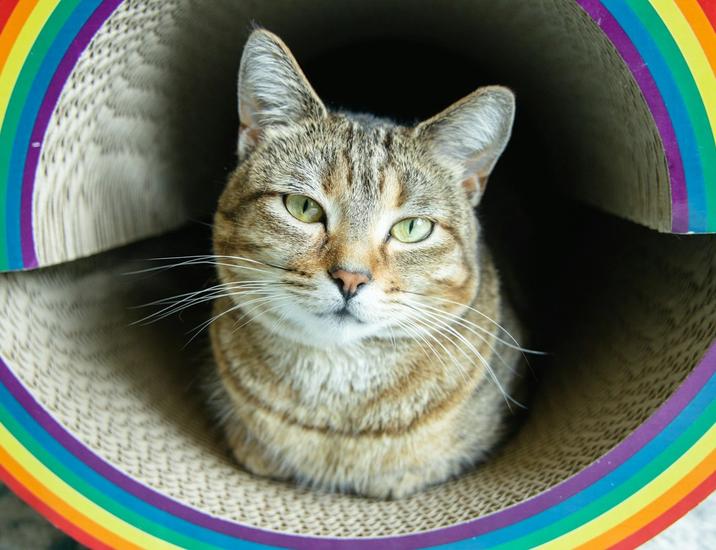
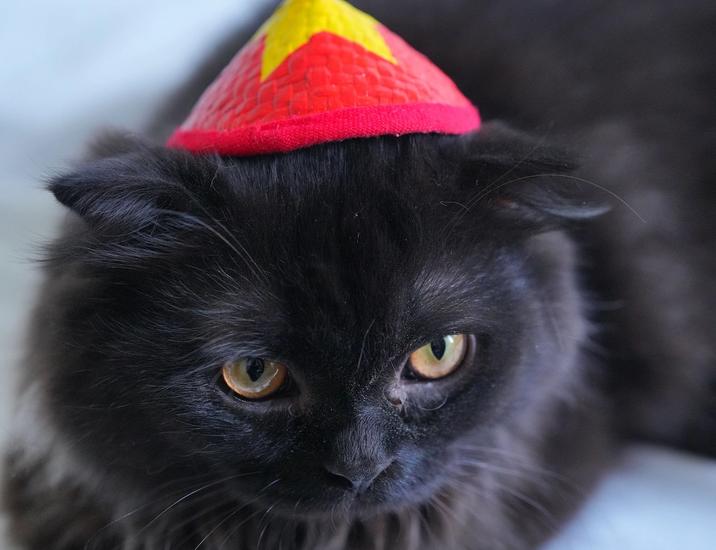
That’s exactly why a book like What to Do If My Cat Is Gay? works so well in this category: the premise is ridiculous, your cat turns woke, racist, a conspiracy theorist, promiscuous or a hipster, but it’s treated like a genuine survival guide, complete with worrying signs, solutions and increasingly catastrophic conclusions. The whole comic mechanism is there: a stupid concept, pushed methodically until logic gives out entirely.
Absurdity Works Better When It’s Rooted in Something Real
The real secret is that pure absurdity isn’t enough on its own. For a funny book to hold up beyond three pages, it needs a foundation of truth: a modern habit, a social hypocrisy, a relationship dynamic, a cat owner’s obsession, an exhausted upper middle class behaviour, something the reader recognises instantly.
With cats, it’s almost too easy: every owner is already projecting a delusional inner life onto them. The cat is offended, manipulative, jealous, left wing, burnt out, having an identity crisis, radicalised, snobby… the absurdist book just has to pick up that collective neurosis and turn it into a system.
The Best Absurdist Humour Doesn’t Try to Be “Respectable”
A good absurdist humour book doesn’t apologise. It doesn’t take your hand to warn you “careful, there’s irony here.” It moves forward with the confidence of a con artist. It lays out its most ridiculous premises with bureaucratic calm, then leaves you to deal with the consequences.
That’s also why fake guides work so well: presenting nonsense as a method, a manual, a diagnosis or a procedure instantly makes it funnier.
Short Form Is Often Absurdity’s Best Friend
Absurdist humour needs rhythm. A good book in this genre isn’t necessarily a sprawling 600 page novel; it’s often a text you can dip into from multiple entry points, a collection, a series of short chapters, something you can open anywhere and that pulls you straight in without demanding memory or concentration.
That’s also what makes this kind of book so practical to give as a gift: no need to “push through the slow start,” no need to wait until page 143 for it to kick off. You can dive in, laugh, close it, come back later, read a bit out loud, humiliate a loved one with an excerpt.
The Perfect Absurdist Book Is One You Want to Quote Immediately
A great test: when you read a passage, do you want to read it to someone else? Does it make you want to send a photo of the page to a friend, say “here, this is literally you,” or gift it to someone whose neuroses you know inside out? If yes, you’re probably on the right track.
A book like What to Do If My Cat Is Gay? works exactly like this: it’s designed to trigger instant recognition. You read a chapter about a boomer cat, a woke cat, a conspiracy theorist cat or a Catalan cat, and you instantly know exactly who to send it to.
Conclusion
If you’re looking for an absurdist humour book, the right question isn’t “is this clever?” but rather: does the book commit fully enough to its own stupidity to turn it into something precise, well built and genuinely delightful?
A good absurdist book takes a profoundly dumb idea and treats it with all the discipline of a parliamentary report. That’s exactly the charm of What to Do If My Cat Is Gay?: beneath its bad joke exterior, the book perfectly understands one essential truth, cats are already deeply absurd creatures, all they needed was an ideology.
And from there, anything is possible.